
Key Takeaways
- Varicose veins and lymphedema involve different vascular systems (venous vs lymphatic) but share symptoms and risk factors.
- Varicose veins can place an extra burden on the lymphatic system, especially where chronic venous disease or tissue damage exists.
- Understanding which system is primarily affected is essential for targeted treatment.
- Lifestyle changes, compression, and early intervention can slow the progression of both conditions.
Is There a Lymphedema Varicose Veins Link?
Yes, lymphedema and varicose veins are closely connected, even though they are two distinct medical conditions. Lymphedema and varicose veins both involve the vascular system's inability to properly drain fluid from the limbs, but they originate in different sets of vessels.
Understanding how the venous and lymphatic systems work together--and what happens when they don't--is the first step toward finding relief and reclaiming your leg health. In this guide, we'll discuss the lymphatic system vs venous system, the differences, and how you can manage both for a more comfortable, active lifestyle.

What is Lymphedema & What are Varicose Veins?
Lymphedema is...
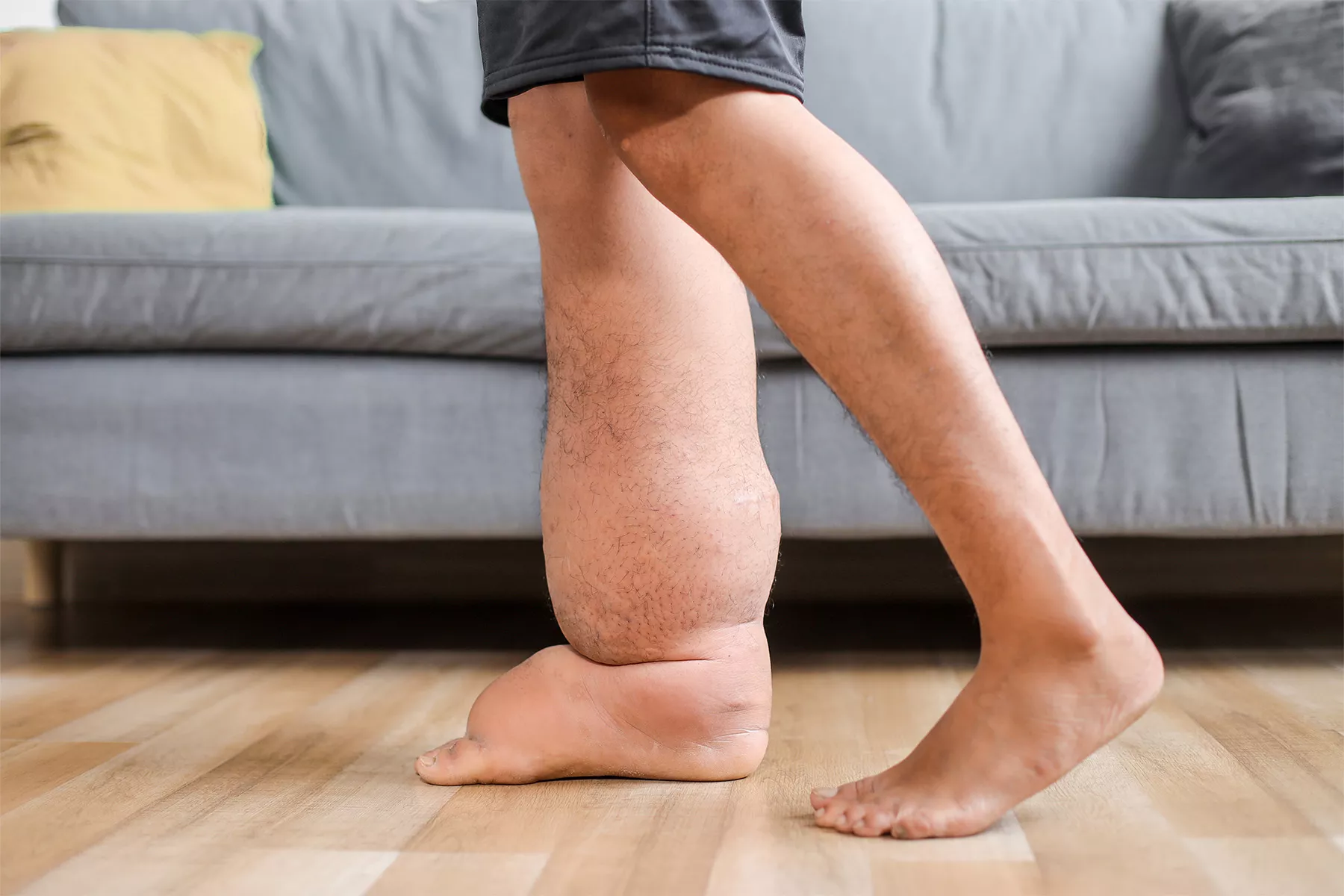
A chronic condition where protein-rich fluid builds up in the soft tissues, usually in the arms or legs. This happens when the lymphatic system (your body's waste-removal network) is damaged or obstructed. Unlike typical swelling that goes down overnight, lymphedema swelling is often persistent and can lead to skin thickening or infections if left unmanaged.

Varicose Veins are...
Enlarged, twisted veins that usually appear in the legs. They are caused by weakened or damaged venous valves. When these valves fail to pump blood back up to the heart, blood pools in the veins (chronic venous insufficiency or CVI), causing them to bulge and often leading to achey, heavy legs, and localized swelling.

How Are Varicose Veins and Lymphedema Connected?
Varicose veins and lymphedema are connected by a "fluid overload" when a struggling venous system forces the lymphatic system to work overtime to compensate.
Think of your legs as having two drainage systems. The veins handle the bulk of the fluid (blood), while the lymphatic system picks up the "overflow." When you have CVI or severe varicose veins, the high pressure in your veins causes excess fluid to leak into the surrounding tissues.
Initially, your lymphatic system can pick up this extra slack. However, over time, this constant overload can exhaust and even damage the lymphatic vessels. This progression can lead to secondary lymphedema or phlebolymphedema--a state where both the venous and lymphatic systems are failing to keep the legs clear of fluid. This relationship between vein disease and lymphedema can create an environment where each issue continues to progress.
How to Tell Them Apart: Symptoms & Red Flags
The primary way to distinguish lymphedema from varicose vein swelling is with an examination of the skin and whether the swelling improves with elevation.
Because of the connection between the two conditions, it's always a good idea to have a vein health assessment if you have been diagnosed with (or suspect you may have) lymphedema.

When Having One Condition Raises the Risk of the Other
Lymphedema and vein disease often present together, especially when vein disease is present first. Having varicose veins does not mean you will develop lymphedema or vice versa, but it's important to note how the conditions may cause each other to develop or worsen. As both lymphedema and varicose veins are progressive, early diagnosis and treatment is crucial for both conditions.
Chronic venous insufficiency is a leading cause of secondary lymphedema, as long-term inflammation and fluid retention can permanently scar lymphatic pathways.
Common risk factors that can trigger or worsen both conditions include:
- Obesity - due to increased pressure on both veins and lymph nodes.
- Trauma or Surgery - can damage both types of vessels.
- Prolonged Standing/Sitting - gravity makes it harder for both systems to drain fluid.
- Infection (Cellulitis) -inflammation can damage delicate lymphatic valves.

Prevention & Management Strategies When Both Systems Are Involved
Lifestyle & Behavioral Measures
Movement is your best friend when managing both conditions. Engaging your calves with low-impact exercise like walking or swimming helps push both blood and lymph fluid upward. Additional lifestyle changes like maintaining a healthy weight and elevating your legs can provide much-needed relief to struggling veins.
Compression & Supportive Therapies
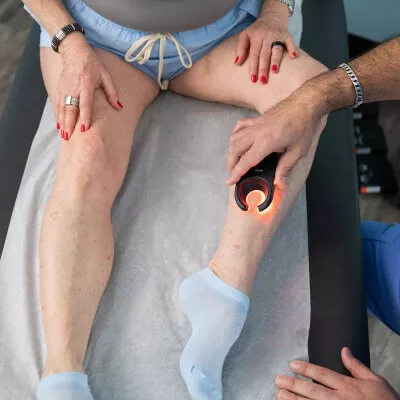
Compression therapy is the gold standard for vein health management, but grade matters. While standard compression stockings are excellent for varicose veins, lymphedema often requires professional "flat-knit" garments or multilayer wrapping to move thick fluid. Always consult a specialist to ensure your compression is safe for your specific diagnosis.
Specialist Evaluation & Collaborative Care
If you have visible veins and swelling, start with a vein specialist. At Metro Vein Centers, we use duplex ultrasound to see if your veins are the root cause. If the issue is purely lymphatic, we will refer you to a lymphedema therapist who may recommend specific treatments like complete decongestive therapy (CDT). If you have both conditions, an integrated approach is best.

Treatment Technologies & Next-Steps
For those with vein disease, modern, minimally invasive treatments like EVLA (Laser), Radiofrequency Ablation, or Sclerotherapy can close off "leaky" veins. By fixing the venous pressure, we can often reduce the "fluid load" on the lymphatic system, preventing further damage.
Frequently Asked Questions
Yes. Untreated venous insufficiency causes chronic fluid leakage into the leg tissues, which can eventually overwhelm and damage the lymphatic system, leading to lymphedema.
If you have bulging veins and your feet or toes are swollen (and the swelling doesn't go away when you wake up), both systems are likely involved.
Often, yes. By treating the underlying venous disease, you can reduce the amount of excess fluid the lymphatic system has to process, which can slow the progression of lymphedema.
Venous swelling usually improves with a night of sleep and elevation. Lymphedema swelling is more stubborn, often involves the feet, and can make the skin feel thicker or harder over time.
Yes! Staying active, wearing compression stockings during long periods of standing, and managing your weight are the most effective ways to protect your lymphatic system from venous overload.
Generally, no. These procedures are designed to improve circulation. However, if you have a pre-existing lymphatic condition, your doctor will tailor the treatment plan to ensure your recovery is safe and effective.
Your Next Steps Toward Healthy Legs
While varicose veins and lymphedema are distinct conditions, they are close neighbors in your body's vascular network. One frequently influences the other, meaning early evaluation is your best tool for staying healthy and mobile.
If you are struggling with swelling or visible veins, don't wait for the symptoms to progress. Schedule a free vein health evaluation with our board-certified specialists today. We'll help you determine whether your veins are causing your discomfort and create a personalized plan to get you back on your feet.

Dr. Philip LoPresti
Meet Dr. Philip LoPresti DO, DABVLM, FACS, a board-certified vein specialist and surgeon with over 20 years of experience. Schedule an appointment with him in Queens, NY today.
Meet Dr. Philip LoPresti
Trusted insight from the nationally accredited, board-certified vein doctors at Metro Vein Centers.